
The Technical University of Munich aims to integrate sustainability into all areas of university life through its Sustainable Futures Strategy 2030. The TUM Language Center embraces this important future-oriented topic in selected language courses and events. Students enhance their language and communication skills while engaging with ecological, social, and economic challenges. Through the exchange of diverse perspectives, sustainability becomes tangible in an international and multilingual learning environment.


Course Content
- Research on a self-selected sustainability topic
- Designing interviews or surveys with the support of AI tools
- Conducting interviews or surveys on the TUM campus, outside the university, or as part of a field trip
- Practising interview techniques and developing communication skills
- Consolidating vocabulary, communicative expressions, and grammatical structures at the B2.2 level
- Discussing intercultural issues and exploring multilingual approaches
- Preparing and delivering a group presentation with an individual contribution
Participant Feedback
- “We had the opportunity to hear and speak German outside the classroom as well.”
- “I not only learned new vocabulary and grammar, but also gained a deeper understanding of environmental and sustainability issues. Many of these topics were completely new to me.”
- “I would never have travelled to the German-Czech border region on my own. Through this course, however, we were able to discover the largest Central European old-growth forest area while interacting in German and other languages at the national park museum, with the ranger, with fellow travellers, and within our course group.”
- “We learned with all our senses. There was so much to see, touch, and be amazed by.”
Examples from Student Presentations
Campus Survey: “The Future of Flying”
- “I pay attention to CO₂ emissions, but in the end, ticket prices usually play the biggest role.” – M.Sc. Mechanical Engineering, 24 years old
- “Sustainability is important, but it should not turn flying into a luxury product.” – Mechanical Engineering student, 25 years old
- “I don’t believe in a single miracle solution. Green aviation will emerge through many small technological advances.” – Postdoctoral researcher in Aerospace Systems, 35 years old
- “Many airlines talk about sustainability, but it often seems more like marketing than real change.” – Research associate, 31 years old
Campus Survey: “Second-Hand Consumption”
- Buying second-hand is a simple, affordable, and effective way to protect the climate.
- A large proportion of respondents regularly use second-hand products.
- All participants reported positive experiences when buying or selling second-hand items.
- Clothing and electronic devices were the most commonly traded products.
- Second-hand consumption helps conserve resources and reduce waste and CO₂ emissions.
- Nevertheless, awareness of the environmental benefits of second-hand consumption is often limited.
- Second-hand markets support a sustainable local circular economy

Die Munich Climate Week brings together people from academia, business, culture, and civil society to discuss and advance ideas and solutions for climate protection and climate adaptation. As a partner of the Munich Climate Week, the Technical University of Munich also contributes with a variety of activities and event formats.
One example is the Climate Fresk. In this interactive workshop, participants explore the scientific foundations of climate change and exchange perspectives on its global impacts. The multilingual and intercultural nature of the format encourages dialogue, mutual understanding, and the consideration of diverse viewpoints.
For language instructors, workshops like these can provide valuable inspiration. They demonstrate how socially relevant topics can be integrated into language teaching and create authentic opportunities for communication that combine language learning, intercultural exchange, and global education. Several instructors and students from the Language Center are now actively involved as Climate Fresk facilitators.
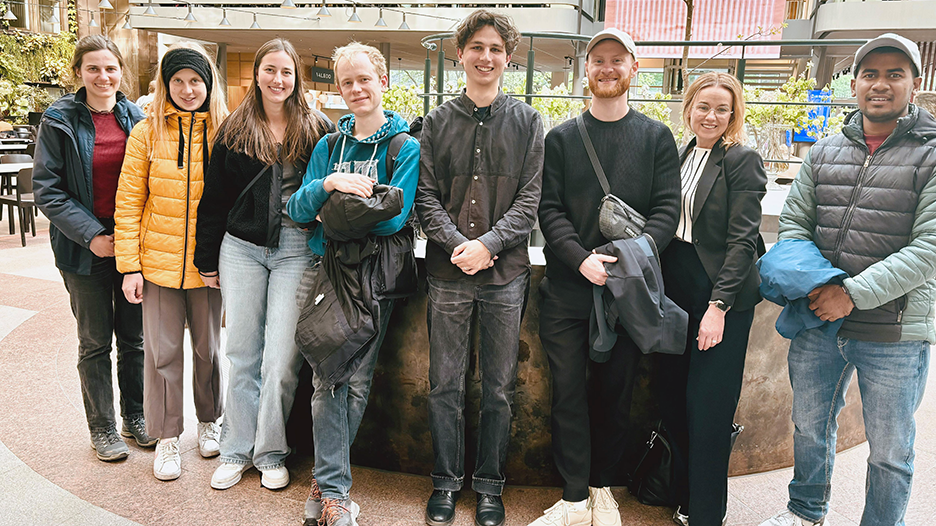
As part of the TUM Project Weeks 2024/25, students in the German and Swedish courses at B2 level at the TUM Language Center engaged with the topic of sustainability using the example of national parks in Germany and Sweden.
The highlight of the project?
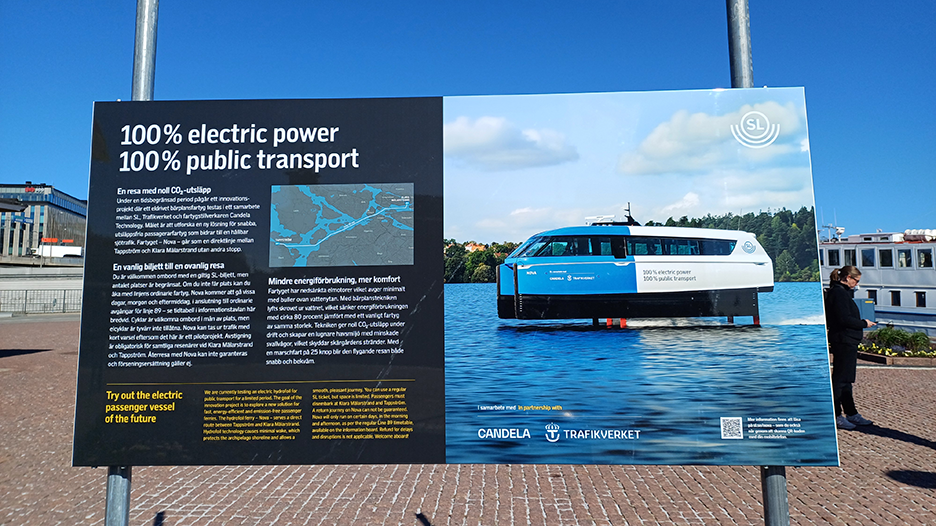
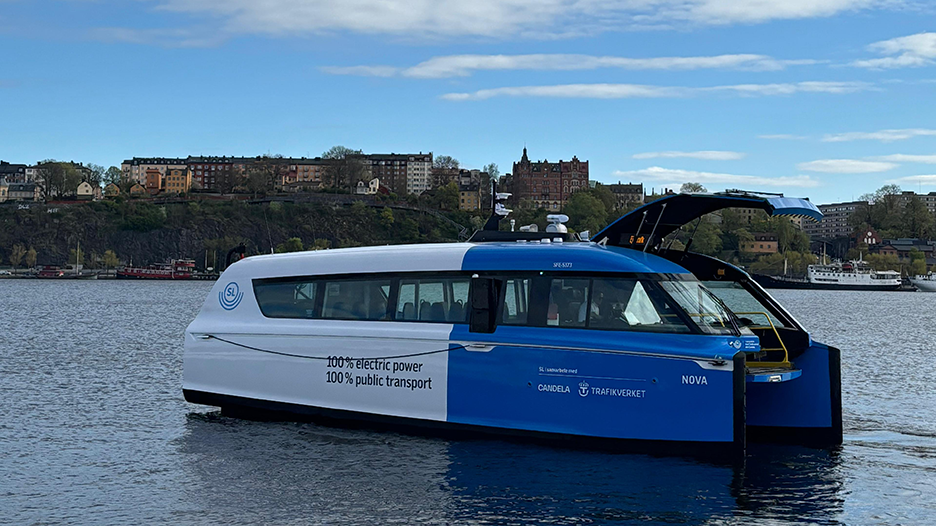
A study trip to Sweden – organized with support from TUM Global, PROMOS, and the Svenska institutet (SI). The students arranged their outbound and return trips in a particularly eco-friendly way: by train and ferry, completely avoiding flights. Go green!
In Stockholm, the group experienced the unique connection of natural sciences, culture, and multilingualism in a modern, future-oriented city. They also met with students from the KTH Royal Institute of Technology for an inspiring exchange of ideas, experiences, and perspectives.
This project shows how sustainability, education, and international exchange can go hand in hand. Thanks to everyone involved!
See also Thinking Green Travel Stories: stories from students who considered their CO2 footprint before their stay abroad and traveled in an environmentally friendly way. What motivated them, how did the trip go, what did they take away from their green journey – and what tips do they have for fellow students?
Project documents:
Studierendenreise Schweden Studentexkursion Stockholm Schema Rapport
Poster Nachhaltigkeit Fremdsprachenlehre Frågor och Svar Stockholm Instagram reel about the project Instagram

On April 29, 2026, the TUM Language Center was represented at the “Fair of Opportunities” of the TUM Sustainability Day by our German instructors Christine Reulein and Anne Schlömer, as well as the student assistants Eva and Marwa.


As part of the first Sustainability Day at the Technical University of Munich (TUM), students came together at the Green Language Café to exchange ideas on a range of sustainability topics. They discussed both positive and negative examples from their home countries and from university life, while at the same time developing their language and communication skills.
Participants were supported by lecturers from the TUM Language Center, who helped facilitate the discussions and provided linguistic guidance. This enabled students to explore complex sustainability issues in an open, multilingual learning environment.
The Sustainability Day was opened by TUM President Prof. Thomas F. Hofmann, who presented the TUM Sustainable Futures Strategy 2030. Developed through a participatory process involving students, staff, and researchers, the strategy is built around six key areas of action:
- Research
- Education and Lifelong Learning
- Entrepreneurship
- Campus and Resources
- Community and Gvoernance
- Communication and Global Engagement
Further Resources
- Sustainability at TUM: The Sustainability Office at the Technical University of Munich (TUM) is your first point of contact for sustainability at TUM.
- Green Offices: The Green Offices of TUM are student-run sustainability offices supported by the TUM Sustainability Office. As central points of contact for sustainability on each campus, they play a crucial role in the university's sustainable transformation and help raise awareness of sustainability within the TUM community.
- Thinking Green Travel Stories: The Thinking Green Travel Stories feature students who considered their carbon footprint before going abroad and chose eco-friendly travel options. What motivated them? How did the journey unfold? What lessons did they learn from their green travels, and what advice do they have for other students?


Contact
Please note E-mail-etiquette
and use your TUM-E-mail-address,
so we can better spot your E-mails.